
Sniff, search, serve: Inside the world of military working dogs
Published on July 7, 2026
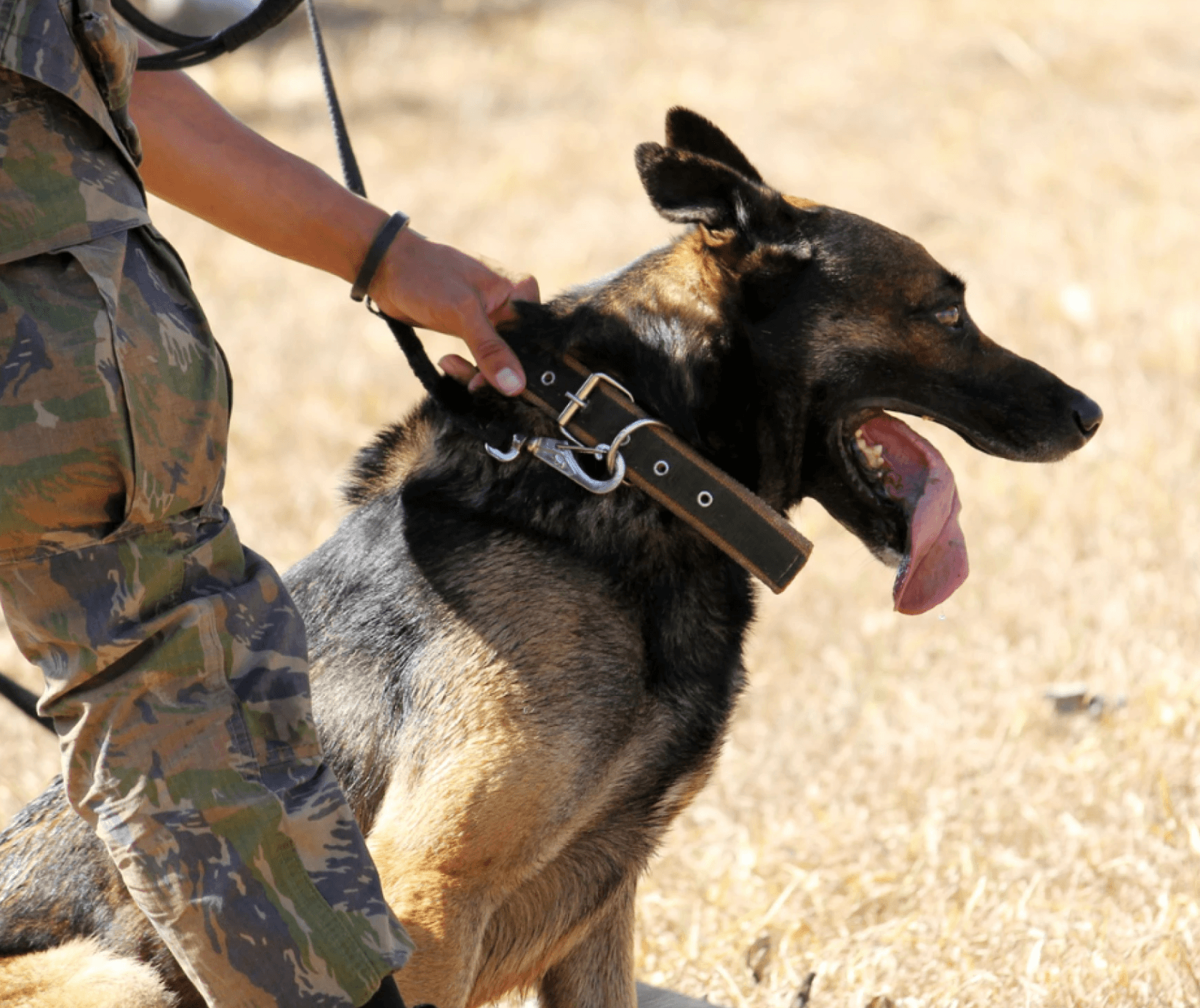
Inspired by Springfield’s K-9 War Dogs Memorial, which honors military working dogs and their handlers, Community Voices producer and Marine Corps veteran Zack Sliver spoke with U.S. Air Force handlers Staff Sgt. Mantrease Robertson and Senior Airman Jordan Johnson about the training, challenges and bonds that define the job.
This transcript has been lightly edited for length and clarity.
Mantrease Robertson: Yes, sir. So, to become a handler, you have to go down to Lackland, San Antonio, Texas, Air Force Base, right? With that, you’ll learn your basic commands, your dog history, health point checks. Then you’ll go over your patrol, your detection training, your obedience training, which is probably the most important part—obedience training. For the dogs in general, there’s a mix, right? So you have your dogs that are born down in Lackland.
They’re bred down there, trained down there. Then we have the dogs that are vendors that come from overseas, like Germany, Europe, wherever it might be. You also might have some stateside vendors, right? They’ll be brought back all to Lackland and they all get trained down there.
So that’s what they’re learning: 120 days of obedience, detection, and aggression, which would be your patrol.
Jordan Johnson: I mean, I just got back in February. I’ll definitely say the probably challenging part about that as a new baby handler going in, probably the obedience. Some of these dogs can be very frustrating.
“People think it’s physical, where you’re just telling the dog to do the commands or pulling them to that point. It’s a lot more mental than you think.”
Mantrease Robertson